
Products


hot dipped galvanized barbed wire
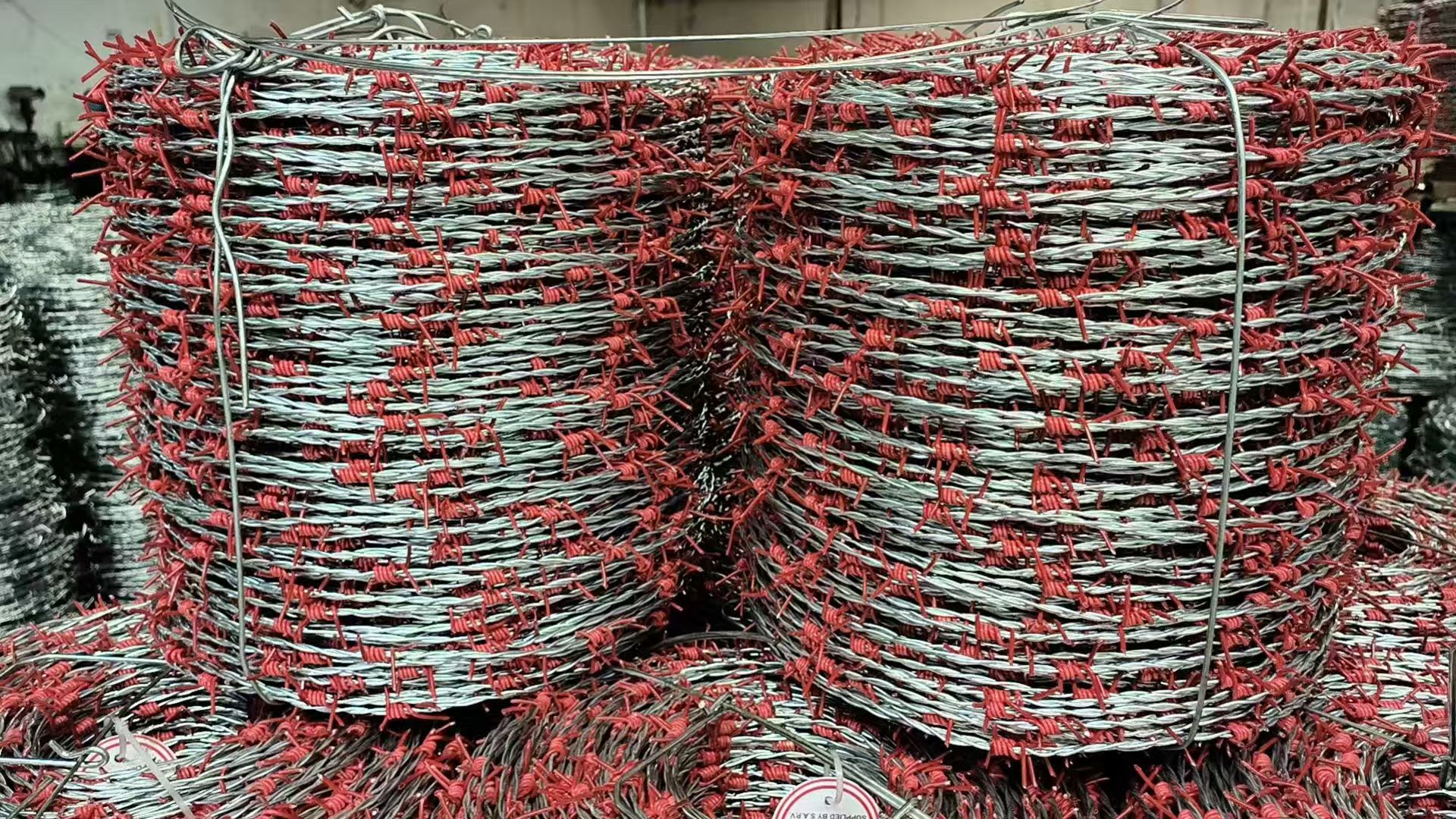
Hot-Dipped Galvanized Barbed Wire
Material
The core material is typically high-carbon steel wire, chosen for its strength and rigidity. The primary protective coating is zinc, applied through the hot-dip process.
Manufacturing Process
The production involves two main stages. First, steel wires are twisted together to form the strand, and sharp barbs are wound onto it at regular intervals. Second, the finished barbed wire is thoroughly cleaned and then immersed in a bath of molten zinc at approximately 450°C. This creates a metallurgical bond, resulting in a thick, uniform zinc coating that provides a robust barrier against corrosion.
Applications
Its primary uses include agricultural fencing (to contain livestock and protect crops), perimeter security for industrial sites, military zones, and prisons, as well as land demarcation. It serves as both a physical barrier and a psychological deterrent.
Specifications
Common specifications are defined by the wire gauge (diameter), barb spacing, and zinc coating weight. Popular gauges range from 12# to 15#. Standard barb spacing is typically 3 to 6 inches. The coating weight usually exceeds 30-230 g/m², ensuring long-term durability.
Packaging
The wire is commonly supplied in coils. Standard coil weights are 4kg-50 kg. The coils are tightly wound, often reinforced with steel straps or wires, and may be wrapped in waterproof paper or plastic film for protection during storage and transportation.
Write your message here and send it to us
Related Products
Quality First, Safety Guaranteed